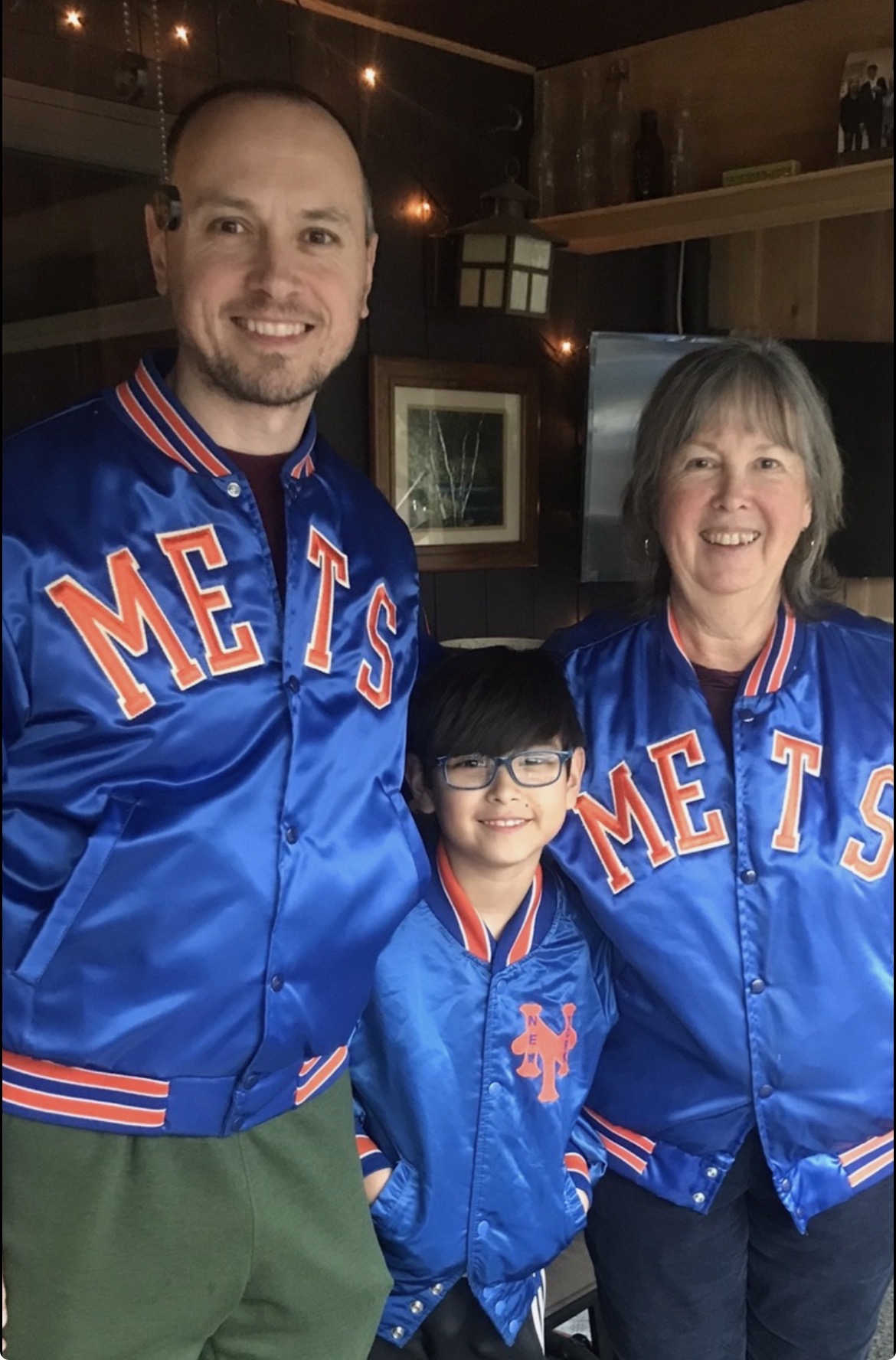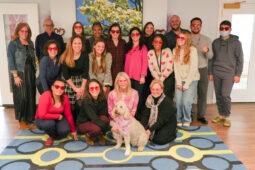
Generational Impact: Meet Joyce, Jesse, and Elliot
Three generations of Von Hippel Lindau syndrome patients have found hope and community at The Children’s Inn and NIH
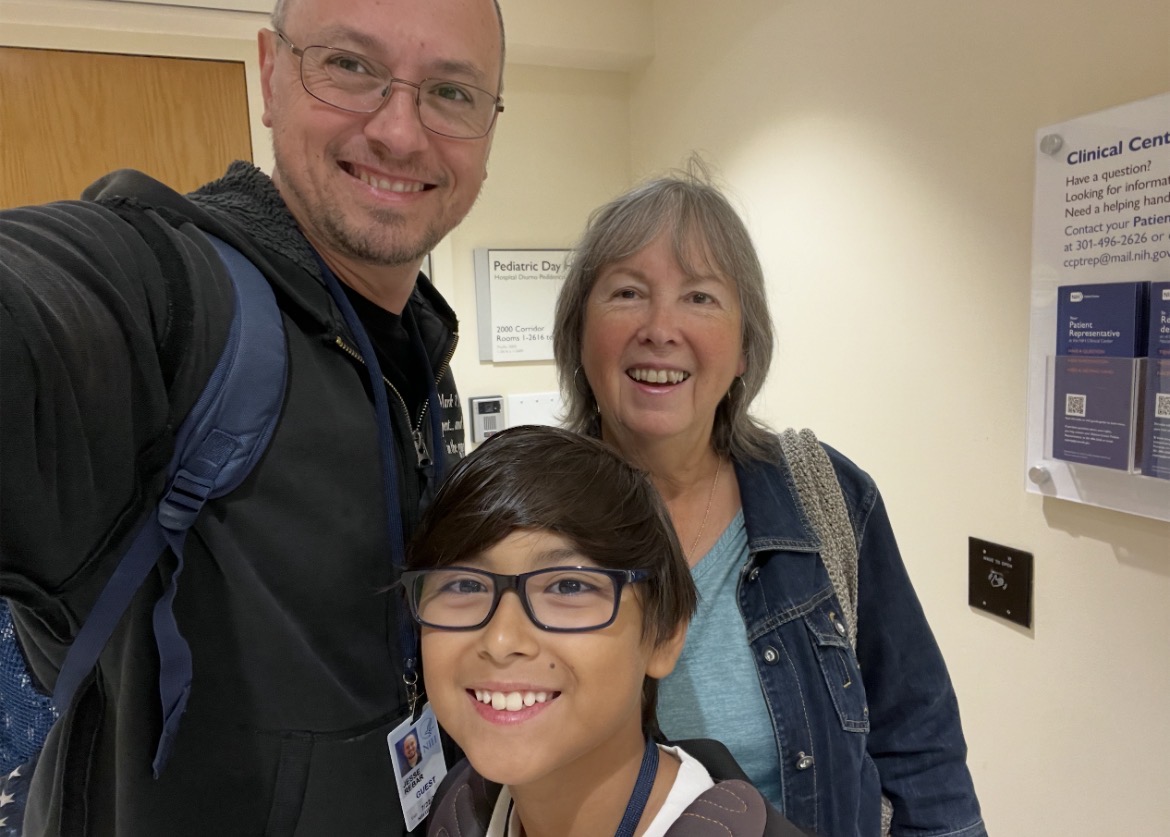
Nearly 30 years after he had made his first visit to The Children’s Inn at NIH, Jesse is making his way back to Bethesda again—this time as a father. He was just 16 when he came to The Inn for the first time just before Christmas in 1996. Along with his mother Joyce, he was there to pursue treatment for Von Hippel Lindau, a rare genetic disorder which causes tumors to grow throughout the body.
“I can’t remember a lot about those first visits to The Children’s Inn,” Jesse admitted. “But I remember walking in and it just being really nice. Before that, I wasn’t really happy to go [to NIH] in general. I didn’t know what VHL was until then, so I went kind of reluctantly.”
Jesse and Joyce were both patients on those first visits, managing different schedules in different parts of the NIH Clinical Center, so it was a challenge. VHL ran in Joyce’s family, and her brother had recently passed away after a tumor on his kidney had metastasized. Those initial visits were hectic, but The Inn provided them with a “Place Like Home” just down the hill from the Clinical Center where they could relax and recharge.
“The Children’s Inn was wonderful and that was a big help to us,” Joyce remembered. “The fact that we had a comfortable place to stay nearby that we could walk back and forth to was huge.”
Though years have faded their memories of that first visit, Joyce did recall the holiday spirit being in full swing during their stay.
“It was really nice being the week before Christmas,” she smiled. “I was impressed with the volunteers. They had set up a room with little gifts for the kids to pick for their families. That was nice.”
The years that followed brought hard news along with hope. Doctors at NIH discovered that Joyce had a kidney tumor, but they were able to monitor it for several years before it reached the point where it needed treatment. Those years of care allowed treatments to develop to a point where, in 2001, she was among the first people to undergo a radio frequency ablation. That meant that her tumor was removed without the need for traditional surgery, a tremendous relief for Joyce and her family.
Jesse, however, would ultimately undergo major surgery to remove a tumor by the time he was 21, and has ultimately had three major surgeries to remove tumors that needed immediate attention over the course of his life.
In those days, teenagers like Jesse aged out of being eligible to stay at The Inn when they turned 18. He recalled staying at the cheapest hotel he could find in the area, resting by himself between appointments and in-patient visits. That became his habit into adulthood, as Jesse made the trip from his home in Connecticut, and later Florida, for regular check-ups with his medical team at NIH.
Although it is a genetic disorder, VHL is not necessarily passed down from parent to child. Joyce described it as a “50/50 chance” that children of a VHL sufferer would inherit the disorder. Around 2015, Jesse and his wife elected to have their children screened for VHL at Yale University. Norah, the oldest by about two years, did not have the disorder. Elliot, still a young toddler, was not so lucky.
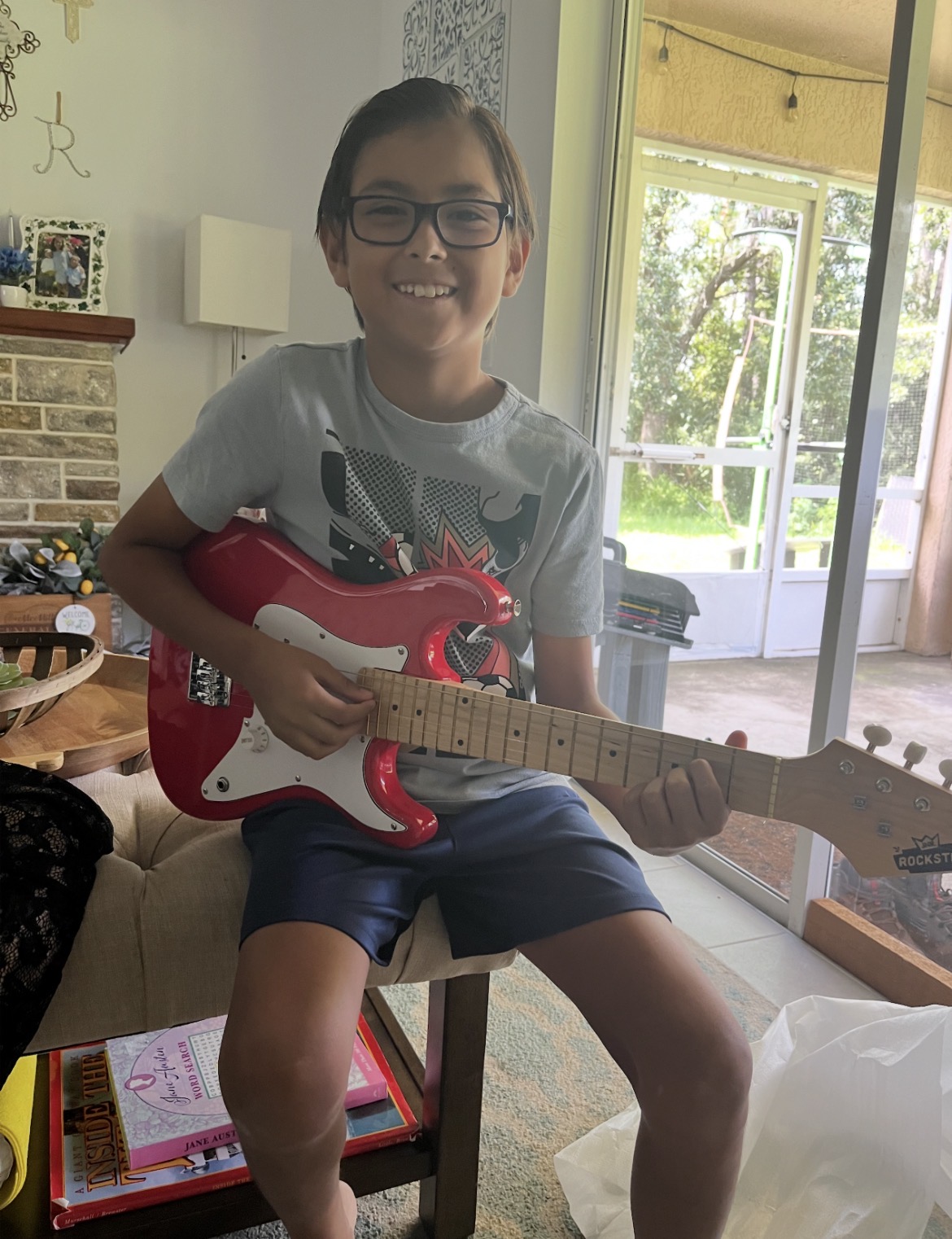
For Jesse, the diagnosis was not what anyone was hoping for, but he knew his son would be in good hands. “I don’t think it bothered me much because I see NIH as a blessing,” he explained. “They’ve kept me alive and taken care of me. They keep an eye on my mother, and I knew they’d keep an eye on Elliot.”
Now 13, Elliot is a bright, creative young man whose talent for art was evident from an early age. His grandmother delighted in sharing that he had begun creating his own comic books from a young age and was always drawing and creating new worlds on the paper. As he has gotten older, he has also developed a passion for video games.
When Elliot first came to NIH, he joined his father in a nearby hotel, maintaining the habit Jesse had done since he turned 19. But after one such visit, they were able to come to The Inn for the first time during the holiday season of 2025.
“His first experience going to the NIH was what you’d have if there was no Children’s Inn,” Jesse said. “He probably didn’t enjoy that nearly as much. I thought we had to make this fun for him somehow.”
Although construction was ongoing for The Inn of Tomorrow, Elliot quickly became enamored with the place, and his father and grandmother remembered the good experiences they had enjoyed so many years before.
“It was beautiful then,” Joyce recalled. “It’s just more beautiful now.”
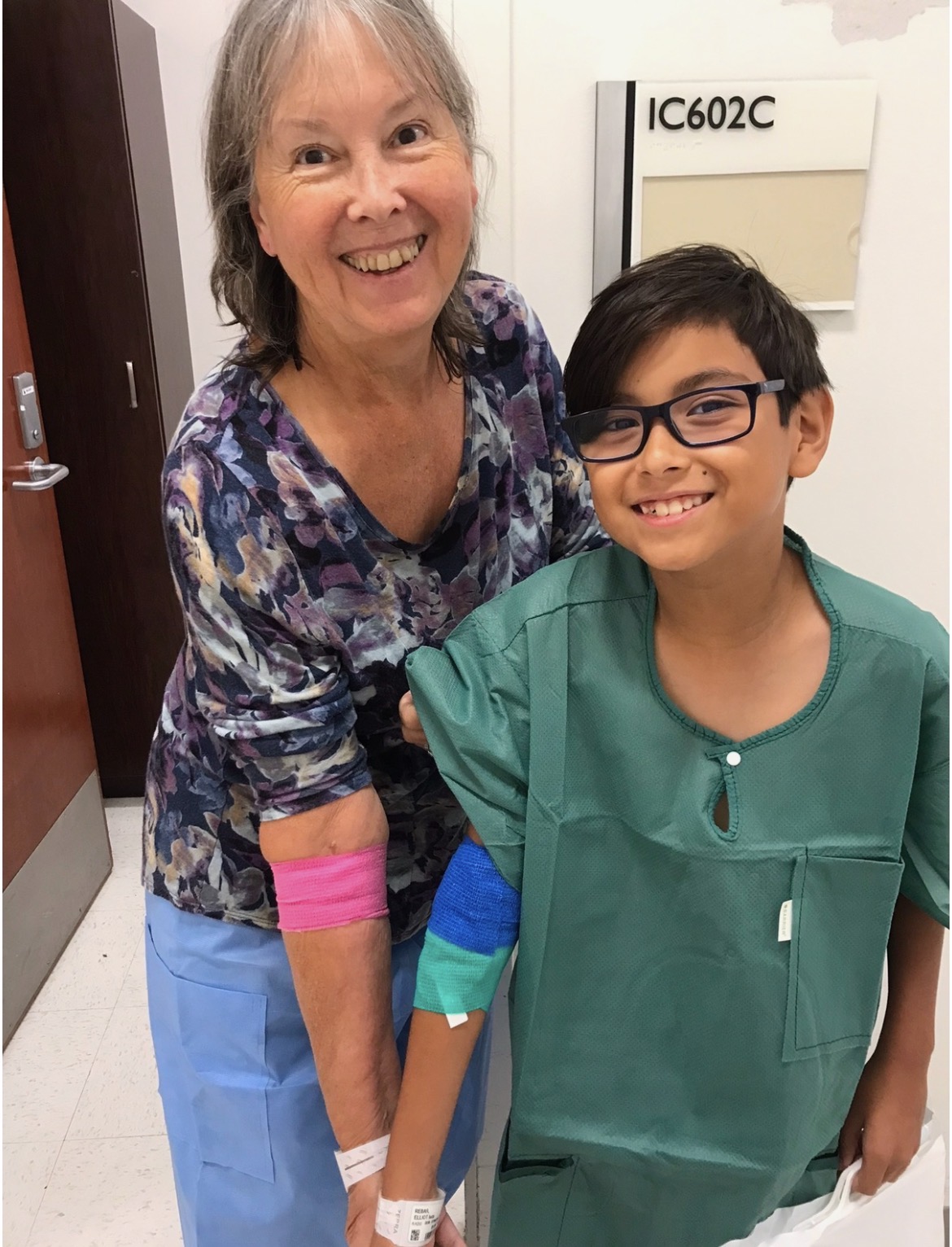
During his time at The Inn, Elliot could often be found in the sunroom, where the Play Station 5 had been set up during the construction. He loved playing Spider Man in particular but also found time to make use of The Inn’s billiards table and sport court. When a surgery to remove a tumor on his adrenal gland had to be delayed, Jesse and Elliot had to relocate to nearby apartments as they waited, and The Inn lent Elliot a video game system to play while he was at his hotel, keeping him connected to his growing community.
Having Jesse and Joyce to rely on has helped Elliot as he has embarked on his own medical journey. Joyce, who still so vividly recalls bringing her teenage son to The Inn three decades ago, gives Jesse all the credit.
“Jesse is an amazing father and husband,” she smiled. “He gives himself to everybody. He’s a devoted Christian, and I just can’t say enough good things about him. It’s not just because he’s my son. Everyone that has met him knows the kind of person he is.”
She also knows that parenting can only go so far, and is grateful for the experience her family has had with the world-class medical professionals at NIH for so many years.
It was beautiful then. It’s just more beautiful now. – Joyce
“Some of the surgeons and doctors we’ve seen at NIH have gone out to other places,” she said. “I know the one that did Jesse’s brain surgery is in Syracuse now. They bring that information out to the wider world, and we’re grateful for that.”
Elliot’s surgery, which was delayed in December 2025, eventually took place and the pair are back home in Florida, where he has recovered well and returned to his everyday life. But just as Jesse and Joyce have returned to NIH regularly since their first visit in 1996, so too will Elliot over the years as he continues to receive treatment and be monitored for new symptoms and tumors.
Unlike his father, who had to find new accommodations when he turned 18, Elliot will be able to stay at The Inn for nearly 20 years of visits, until he turns 30. For that, the entire family is glad. Looking back on the last few years of his son’s journey and reflecting on his own, Jesse knew that his family is in good hands.
“My wife was probably more worried than I was when Elliot was first diagnosed,” he said. “But she has so much trust in NIH now. She hadn’t gone through it like I had, but now she has gone through it with our son. Surgery went smoothly and his recovery has been great.”
Though there will be tough days ahead, Jesse knows firsthand the care his son will be receiving.
“They take care of him so well. I’m grateful because [NIH doctors] will catch things and know how to deal with them. They’ll help him recover, and then he’s good to move forward with his life in the way I have and the way my mother has.”